
 Liver
 Thyroid gland
 Mediastinum
 Lung
 Biliary tract
 Kidney
 Pancreas
 Breast
 Bones
 Vessels
 Extraorgan space
 Prostate
 Uterus
 Cavities


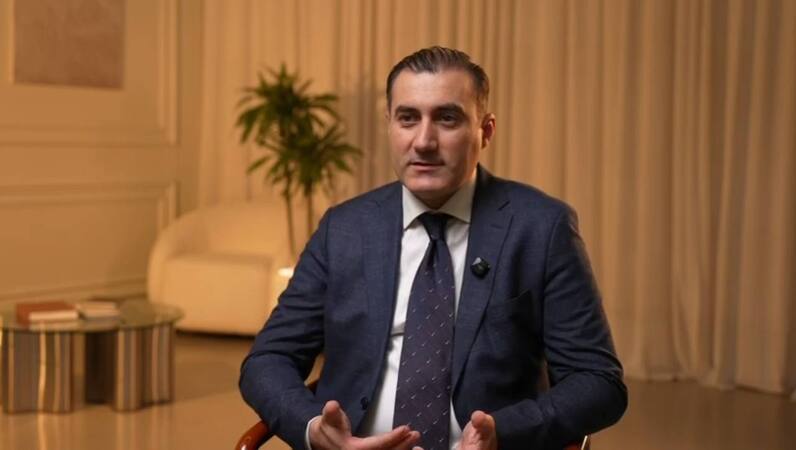
Video
November 8 — International Day of Radiology.
November 8 — International Day of Radiology.
Read more

Welcome to the Innovative Center for Interventional Radiology, Armenia’s leading center in the field. As the first and foremost interventional radiology center in the region, we not only bring advanced techniques and treatments but also our rich experience gained through over 12 years of dedicated work and commitment to excellence․
Read moreIR technologies use fine needles, needle electrodes, catheters and other devices which help to avoid traditional methods of open surgeries thus lessening the trauma to the body.
Most MR procedures are performed under local anesthesia, sometimes combined with intravenous anesthesia, and in some cases under general anesthesia.
Usually no special recovery is required after IR interventions due to local anesthesia and less trauma. Most patients are discharged from the clinic on the same day.

Interventional radiology technologies for treating bile duct obstructions—caused by tumors, stones, or other conditions—help restore duct patency, alleviate symptoms, and prevent complications.

Interventional radiology provides effective puncture-drainage techniques for treating echinococcosis, enabling a complete cure without surgery. This minimally invasive approach is often the best alternative to complex surgical procedures.

Abscesses are treated using image-guided drainage, which effectively removes pus from the body. Interventional radiology enables minimally invasive treatment of abscesses in various areas without the need for surgical incisions.

Extensive fluid collections in the thoracic and abdominal cavities, as well as in the pericardium, are effectively treated with targeted drainage techniques under image guidance.

Thermal ablation is a technique that destroys tumor tissue by directly raising the temperature in the tumor tissue to 110 degrees Celsius, for it uses radiofrequency ablation (RFA) or microwave ablation (MWA). Non-thermal ablation is a technique that destroys tumor cells by conducting high voltage electricity through the tumor tissue and it is performed using irreversible electroporation (IRE).

Benign tumor ablation and embolization are minimally invasive procedures used to treat benign tumors without surgery by either destroying tumor cells or reducing their blood supply.

Minimally invasive procedures such as TIPS (transjugular intrahepatic portosystemic shunt), stenting (of vena porta), and (or) occlusion of varicose veins play an important role in the treatment of complications of cirrhosis.

The placement of a port catheter for chemotherapy is a minimally invasive procedure that provides long-term access to the venous and arterial systems through a secure catheter, enabling the administration of modern chemotherapeutic drugs.

Endovascular interventions enable access to the target organ or tissue through a blood vessel, allowing for the necessary diagnostic or therapeutic procedure and restoration of patency in blocked or narrowed vessels.
November 8 — International Day of Radiology.
Read more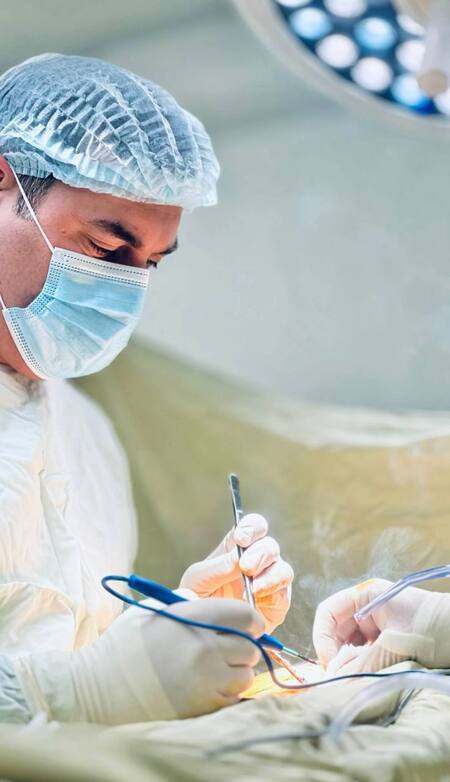
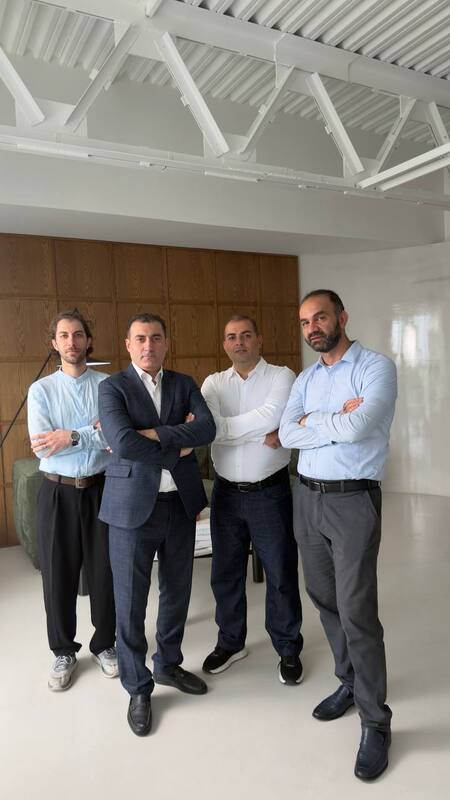
Our team is our strength.
Read more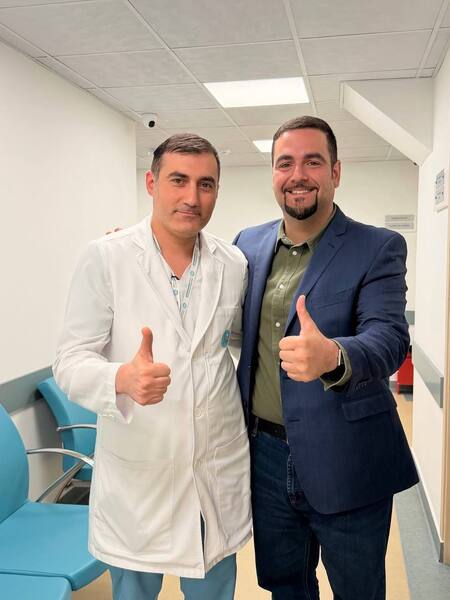
Armen Deryan’s latest visit to the Interventional Radiology Center
Read more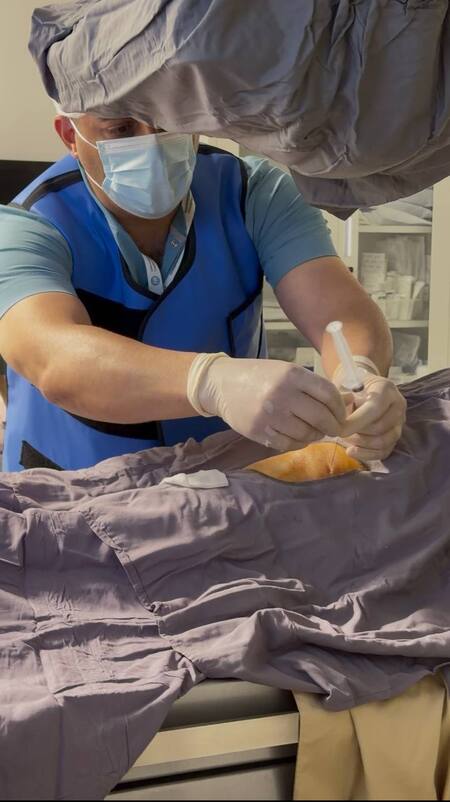
Genicular Nerve Block of the Knee Joint
Read more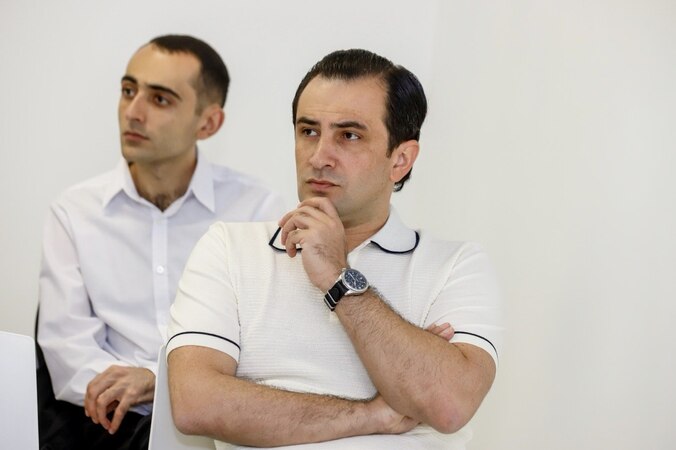
The Center for Interventional Radiology pioneered the ablation method for treating thyroid nodules in Armenia. As a narrowly specialized center, it brings together extensive expertise and professional experience in the management of this medical condition. We offer two advanced ablation techniques for thyroid nodule treatment: radiofrequency ablation (RFA) and microwave ablation (MWA). Trust your health to a clinic dedicated to specialized care and expert treatment.
Read more